What is COVID-19?
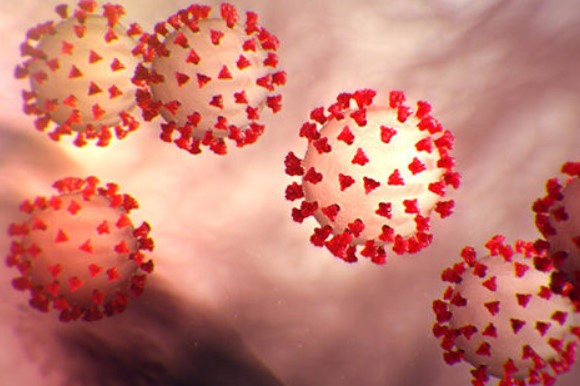
(Image taken from Harvard Chan School Website, Published 2020/01/28, Accessed 2020/11/08)
COVID-19 is a highly infectious new strain of the family of Coronaviruses, which are usually respiratory tract infections. One of the unique features of COVID-19 is how differently it impacts each individual. Worldwide numbers of COVID-19 infected patients are well into the millions and changing rapidly. As such, the World Health Organization declared COVID-19 a pandemic on March 11, 2020.
How Does it Work?
This virus is spread through droplet transmission - in other words through the respiratory droplets from an infected person’s cough or sneeze. These droplets can also be transmitted through fomites in the surrounding area; therefore, being in close contact, less than 2 m, of an infected person is a common route of community transmission. Currently, airborne transmission of COVID-19 is also being investigated by the WHO.
The Testing Process
If you develop symptoms for COVID-19, you must self-isolate and contact your GP to arrange for a COVID-19 test. You will receive an appointment for your test, and either be tested at a test centre or in your home. With both options, a healthcare worker will insert a swab to the back of your nasopharyngeal cavity and throat to take a sample of your saliva and mucus. The sample will then be taken to a lab centre for analysis. Usually, it can take up to 3 days to receive your results.
- If you test negative, then you do not have the virus and no longer have to self-isolate.
- If you do test positive for the virus, you must continue to self-isolate until you no longer have symptoms for 5 or more days. You will then need to get re-tested and have a second negative result to stop self-isolation.
- If symptoms return or worsen, seek medical attention immediately.
How to Reduce Risk of Getting COVID-19
The best way to prevent yourself from getting the virus is to:
- Wear a face mask when out in public.
- Cough and sneeze into a tissue or your elbow.
- Wash your hands frequently with soap or use hand sanitiser.
- Maintain a physical distance of about 6 feet (2 meters) or more from others.
- Limit social interactions and restrict travel where necessary.
- Avoid touching your face.
So You Think You Have It, What are the Symptoms?
COVID-19 has different implications on individuals.
The most common symptoms include:
- Fever
- Cough
- Cold
- Fatigue
- Headaches
- Inability to smell or taste
More severe symptoms include:
- Having shortness of breath or other breathing issues never before encountered.
- Pneumonia
- Stroke
Severe symptoms most likely occur in individuals who are over the age of 65 or individuals with underlying health conditions such as respiratory illnesses, heart conditions, hypertension, and diabetes.
DISCLAIMER: PLEASE CONTACT YOUR GP IF ANY SEVERE SYMPTOMS SHOULD APPEAR
Who Are the People More at Risk?
The HSE have determined two levels of higher risk: high risk and very high risk. Each of these groups of people are given different advice depending on their circumstances as given by this article.
People very high risk of contracting severe symptoms of COVID-19 include:
- The elderly - even if they are fit and well.
- People who have recently undergone surgery.
- Patients who have had/is taking any sort of therapy to counter cancer - including radiotherapy, immunotherapy, and chemotherapy.
- People with cancers of the blood at any stage.
- People taking immunosuppression drugs as a post-operation maintenance or to counter autoimmunity.
- People with cystic fibrosis.
- People with severe respiratory conditions such as severe asthma, COPD, and pulmonary fibrosis.
- People with serious heart conditions.
People at high risk include:
- People with learning disabilities.
- People with high blood pressure (hypertension).
- People who have diabetes.
- People with chronic kidney disease or liver disease.
- People with a motor neurological diseases, Parkinson’s for example.
- Obese people.
Those patients with these underlying illnesses can have mild to severe symptoms of COVID-19 which can develop secondary illnesses such as pneumonia, bacterial infections, or blood clots. In these cases, the patient must be closely monitored as these secondary conditions can develop into massive inflammation and multiple organ failure. Qualitative analysis can be done through regular/daily evaluations of the patient and through medical imaging.
What are the Side Effects of COVID-19?
Some of the most common severe side effects of COVID-19, also referred to as secondary diseases, are:
- Pneumonia.
- Lung scarring.
- Stoke
- Encephalitis.
- Peripheral nerve damage.
- Brain haemorrhage.
- Memory loss.
References Used: